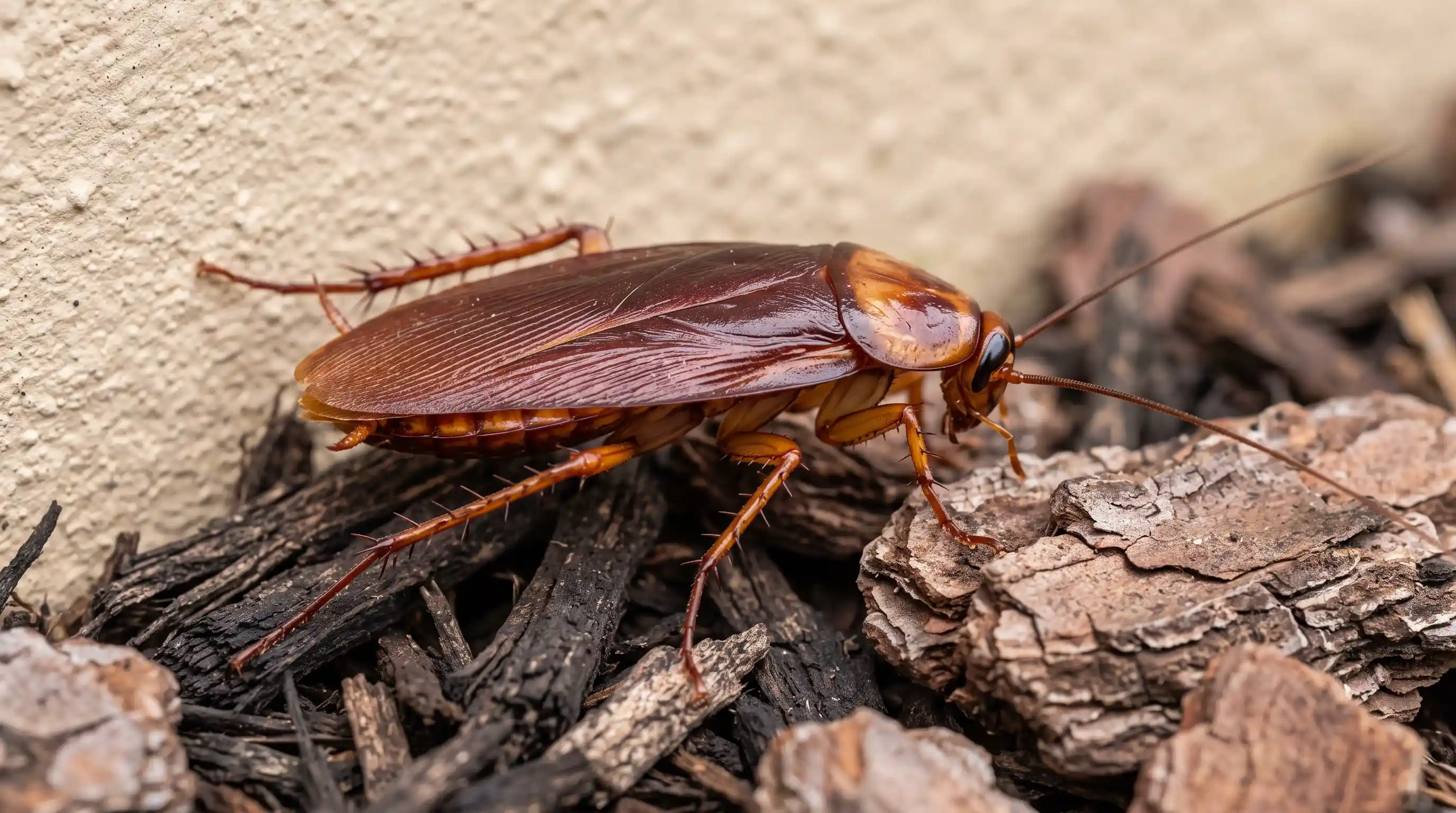
Cockroaches and palmetto bugs thrive in Citrus County due to the humid subtropical climate with hot summers and mild winters. These insects seek moisture and shelter in sandy soils around homes in neighborhoods such as Citrus Hills and Inverness Highlands. Local pest control providers focus on locating entry points near foundations, irrigation lines, and shaded areas that retain humidity year-round.
Signs of infestation often appear first in kitchens, bathrooms, and utility rooms where water sources meet food debris. In Downtown Inverness and older housing stock near the Citrus County Courthouse, cracks in stucco or gaps around plumbing allow easy access. Providers inspect for droppings, egg cases, and grease trails that indicate established colonies rather than occasional intruders.
Video Overview: Cockroach & Palmetto Bug Cleanout in Inverness, FL
This one-minute video covers the signs of cockroach and palmetto bug activity, from roaches scattering when the kitchen light comes on to droppings and egg cases near appliances. It explains why palmetto bugs move indoors after heavy rain, how German cockroaches settle into kitchens and bathrooms, and what a cleanout and exterior barrier treatment involve.
[▶ Watch Video Overview: Cockroach & Palmetto Bug Cleanout in Inverness, FL](https://www.youtube.com/watch?v=A5bR-PN9SWw)
Prevention starts with reducing moisture around the property and sealing gaps where structures meet the sandy ground. Fort Cooper State Park and nearby wooded lots contribute to outdoor populations that move indoors during heavy rains or hurricane season. Local providers emphasize ongoing monitoring of mulch beds, downspouts, and exterior lighting that attract these pests.
Treatment integrates interior crack-and-crevice applications with exterior perimeter barriers suited to Florida's variable weather. Providers also address nearby properties in Crystal River, Lecanto, and Hernando that share similar soil and drainage patterns, helping limit re-entry from adjacent lots.
Technician insight
In Inverness, the thing that catches most people out with Cockroach & Palmetto Bug Cleanout is how quickly palmetto bugs move from the sandy soil and drainage swales straight under slab homes after a summer rain. Older houses near the courthouse often have plumbing penetrations that stay damp year-round, letting German cockroaches keep coming back even after the first treatment. Checking the irrigation valves and downspout splash blocks changes how long the job holds.
Citrus Hills Slab Home
Homeowner noticed droppings behind the refrigerator and along baseboards after heavy rains. Inspection revealed American cockroaches entering through gaps around the slab edge and irrigation lines. Local provider applied interior baits and an exterior perimeter treatment focused on the drainage swale. Activity dropped sharply within the first week.
Cockroach & Palmetto Bug Cleanout Services We Offer
✓Kitchen Cockroach Cleanout
Focuses on sink areas, appliances, and pantry spaces where German cockroaches commonly establish colonies in Inverness homes.
✓Palmetto Bug Perimeter Treatment
Targets larger American cockroaches and palmetto bugs entering from yards, drainage ditches, and vegetation near Inverness Highlands properties.
✓Bathroom and Utility Room Service
Addresses moisture-prone zones around pipes, water heaters, and laundry rooms that draw both species in older Citrus County residences.
✓Garage and Storage Cleanout
Covers cardboard storage, recycling bins, and foundation gaps where cockroaches hide in homes throughout Citrus Hills.
✓Outdoor Harborages Reduction
Manages mulch beds, irrigation valves, and shaded exterior spots that support outdoor populations near Fort Cooper State Park.
How it works
- 1
Initial Property Walkthrough
Local pest control providers examine interior rooms and exterior perimeters to identify current activity and likely entry routes.
- 2
Targeted Interior Application
Treatments are placed in cracks, crevices, and voids where cockroaches and palmetto bugs travel and nest.
- 3
Exterior Barrier Placement
Material is applied around foundations, entry points, and harborage areas to reduce new arrivals from surrounding yards and soil.
- 4
Follow-Up Monitoring
Providers return to check treated zones and adjust locations based on any remaining signs of activity.