2026-09-05 ·
How to Keep Lakefront Roof Rats Out of Your Inverness Attic
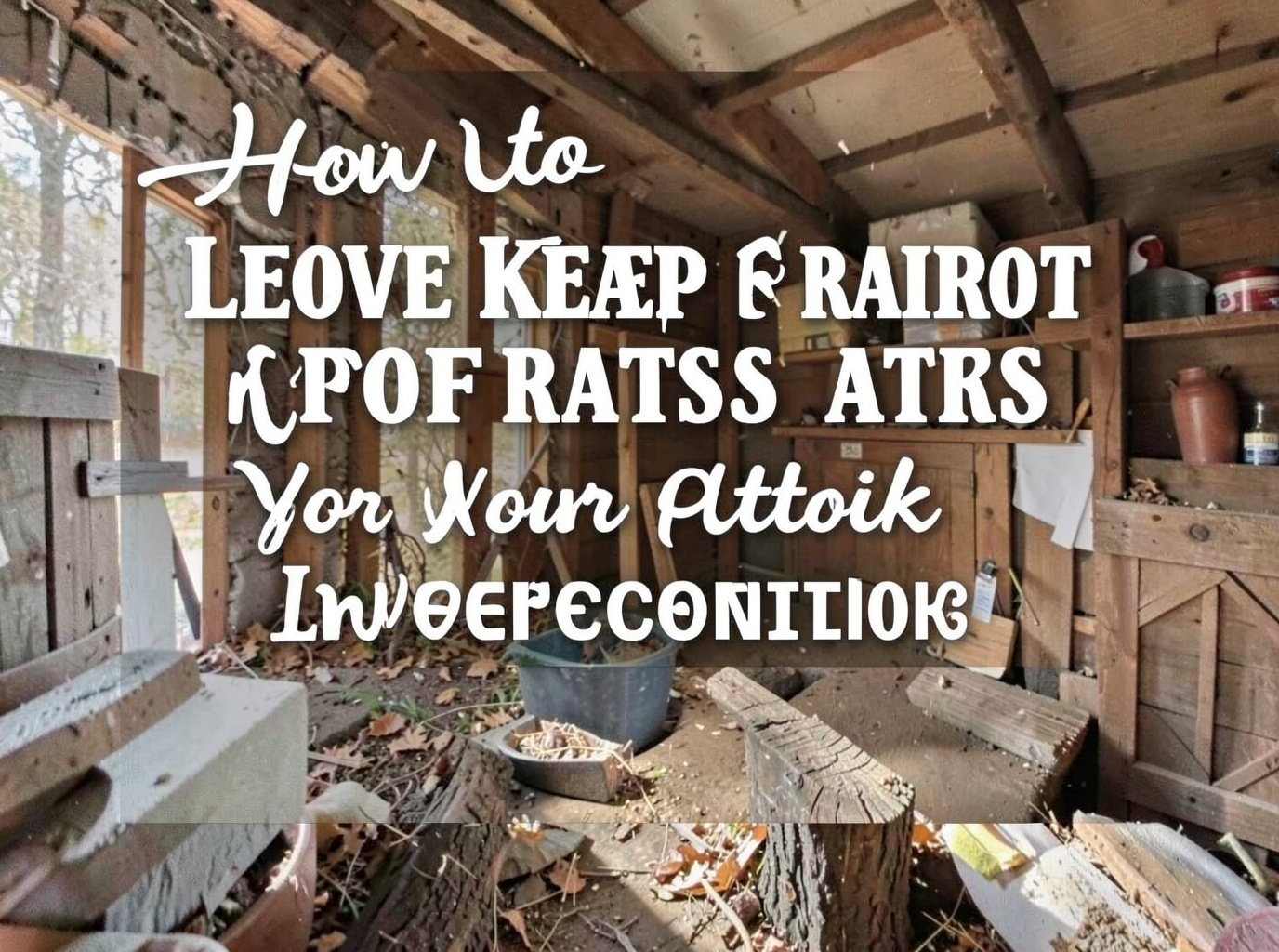
To permanently keep roof rats out of lakefront Inverness attics, homeowners must mechanically seal all roofline gaps down to 1/4 inch using galvanized steel hardware cloth and prune live oak canopies back at least 8 to 10 feet from shingles. In Citrus County's subtropical climate, structural exclusion is the only permanent solution against these agile climbers.
Roof Rat Behavior Along Lake Henderson and the Tsala Apopka Basin
Roof rats (Rattus rattus) are strictly arboreal, spending their lives above ground in mature live oak canopies, cabbage palm boots, and shoreline cypress stands. Waterfront corridors across Gospel Island (34452) and lakefront properties in Inverness Highlands South provide ideal harborage: open fresh water, heavy citrus tree fruit, and dense canopy bridges leading straight to residential roof eaves. Unlike burrowing Norway rats, roof rats use overhead utility drops and overhanging limbs as aerial runways to drop directly onto roof decking.
> Hearing Scratching in Your Ceiling After Dark? > Roof rats chew through electrical wiring, contaminate blown insulation, and leave hazardous pheromone runways. Call (352) 830-4114 to dispatch a Citrus County technician for same-day attic inspection and chew-proof exclusion.
Key Diagnostic Signs of Attic Roof Rats
Before structural damage accelerates, look for these distinct field indicators inside your attic and along exterior soffits:
- Dark Sebum Rub Marks: Oily, dark grease marks left along wooden roof trusses, ceiling joists, and drywall top plates from rat fur along repeated travel runs.
- Pointed Droppings: Dark, banana-curved droppings measuring 1/2-inch long with pointed ends (unlike blunt Norway rat droppings or tiny mouse droppings).
- Damaged AC Flex Ducts: Punctured exterior foil and chewed inner plastic cores on HVAC duct runs, creating conditioned air leaks and humidity problems in your attic.
- Chafed Romex Wiring: Chewed plastic insulation on electrical wiring, creating an immediate fire hazard.
Structural Exclusion Vulnerability Guide
| Roofline Vulnerability | Why Roof Rats Target It | Permanent Exclusion Material | | :--- | :--- | :--- | | Fascia-Soffit Intersections | Loose vinyl or aluminum flexes under pressure | 1/4" hot-dipped galvanized hardware cloth with stainless screws | | Ridge Vent Baffles | Plastic end-caps warp under Florida sun | Custom-formed aluminum flashing and steel wire mesh backing | | Plumbing Stacks & Boots | Rats chew soft lead flashing around PVC pipes | Heavy galvanized pipe collars and wire-mesh wrap | | AC Refrigeration Chases | Soft foam insulation around copper lines provides easy chewing | High-density elastomeric sealant packed with copper mesh | | Barrel Tile Eaves | Open radiused gaps beneath first course of tile | Custom contour metal eave closures (bird stops) |
Permanent Mechanical Exclusion That Withstands Florida Humidity
Chemical repellents, mothballs, and ultrasonic plug-in units do not deter established roof rat colonies. Permanent protection requires physical exclusion:
- Fasten Chew-Proof Hardware Cloth: Install 1/4-inch heavy-gauge galvanized steel mesh behind all soffit returns, gable vents, and off-ridge exhaust vents. Rats easily chew through expanding foam, window screen, or thin chicken wire.
- Cut Arboreal Runways: Prune oak, pine, and palm branches at least 8 to 10 feet back from roof planes. Strip climbing vines and bougainvillea off exterior stucco walls.
- Pack Penetrations with Copper Mesh: Stuff voids around conduit, hose bibs, and water lines with woven copper mesh before sealing with polyurethane elastomeric sealant to prevent gnawing.
- Eliminate Exterior Food Sources: Collect fallen citrus, harvest bird feeder spillage daily, and keep exterior garbage cans secured with tight latching lids.
Why Rat Poison in Florida Attics Creates a Severe Hazard
If roof rats are actively nesting above your ceiling, never toss rodenticide bait blocks into the attic. In Central Florida's summer heat, attic temperatures regularly exceed 130°F. Poisoned rats seek water, become lethargic, and die inside inaccessible exterior wall cavities, floor joists, or AC return chases. The resulting decomposition odor and secondary fly infestations can render a home unlivable for weeks.
Our team resolves infestations cleanly through our Rodent Exclusion & Attic Decontamination protocol: we mechanically seal the entire exterior envelope, run a commercial mechanical snap-trap cleanout, vacuum soiled insulation using HEPA equipment, and mist attic trusses with hospital-grade antimicrobial fog to erase scent markers.
Seasonal Exclusion Timeline for Inverness Homeowners
Schedule structural inspections in late winter before peak spring breeding begins. Follow up with a roofline audit within 48 hours of any severe tropical storm or hurricane, as high winds frequently peel back soffit fascia and create fresh structural openings. Homeowners across Historic Downtown (34450), Inverness Highlands North (34453), and golf properties near Point O' Woods (34452) can call Inverness Pest Solutions at (352) 830-4114 from 7:00 AM to 8:00 PM daily. For immediate pest hazards, review our Emergency Pest Extermination services.