2026-09-05 ·
Palmetto Bugs vs German Cockroaches: Identification and Treatment
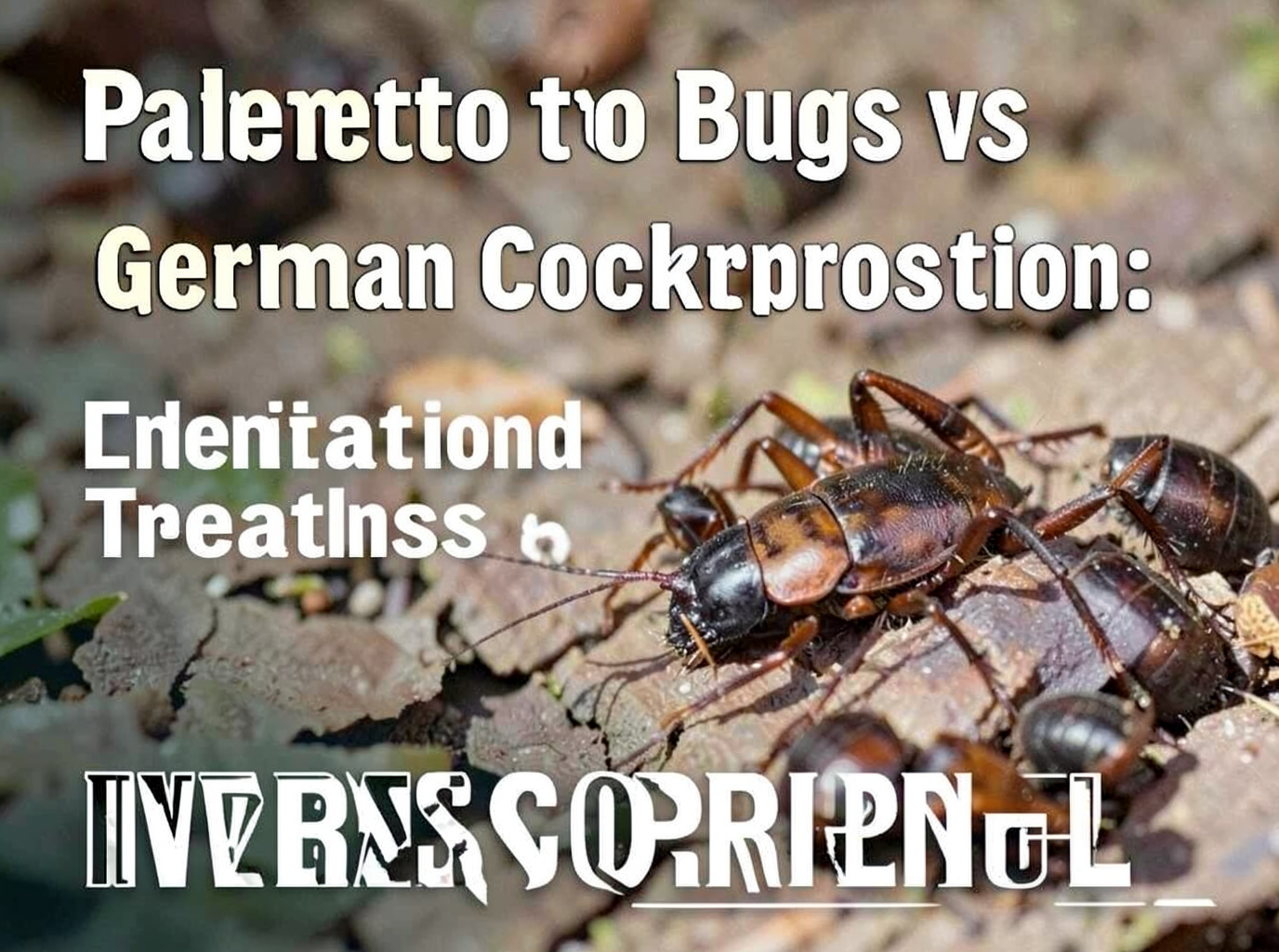
Inverness homeowners frequently encounter two distinct cockroach species that require completely different eradication protocols: large outdoor-nesting palmetto bugs (primarily American cockroaches, Periplaneta americana, and smokybrown cockroaches, Periplaneta fuliginosa) and small indoor-breeding German cockroaches (Blattella germanica). In Citrus County's subtropical climate, hot summers and high humidity drive both pests toward residential structures, but misidentifying them leads to ineffective treatments that fail to resolve the infestation.
Key Physical and Anatomical Differences
- Palmetto Bugs (American & Smokybrown Cockroaches): Measure 1.5 to 2 inches in length, display a reddish-brown to dark mahogany glossy carapace, and possess fully developed wings capable of erratic gliding flights. They are outdoor perimeter dwellers that move inside when driven by flooding or extreme heat.
- German Cockroaches: Measure just 1/2 to 5/8 inch long, feature a light tan coloration, and are distinguished by two dark, parallel longitudinal stripes running down the pronotum (the plate shield directly behind the head). Although they have wings, they do not fly; instead, they run rapidly across countertops and slip into micro-crevices as narrow as 1/16 inch.
> Seeing Small Roaches Near Kitchen Cabinets or Dishwashers? > German cockroaches reproduce exponentially, carrying up to 48 nymphs per egg capsule. Bug bombs scatter them deeper into walls. Call (352) 830-4114 to dispatch a certified Citrus County technician for targeted baiting and IGR eradication.
Quick Diagnostic Comparison
| Characteristic | Palmetto Bugs (American / Smokybrown) | German Cockroaches (Blattella germanica) | | :--- | :--- | :--- | | Adult Size | 1.5 to 2.0 inches | 0.5 to 0.6 inches | | Coloring | Glossy reddish-brown to mahogany | Light tan with 2 dark pronotal stripes | | Flight Ability | Capable of clumsy, erratic gliding | Cannot fly (rapid runners) | | Primary Habitat | Damp outdoor mulch, oak leaves, crawl spaces | Indoors: kitchen cabinets, motor coils, vanities | | Reproduction | 1 egg case (~16 nymphs) per month | 1 egg case (30–48 nymphs) every 20–25 days | | Pest Type | Moisture-driven perimeter invader | Obligate indoor domestic pest | | Primary Treatment | Exterior micro-encapsulated barrier & weep seals | Non-repellent baits, IGRs, vacuum extraction |
Harborage Spots and Local Infestation Corridors
Because of their differing biology, these pests inhabit completely different areas of an Inverness home:
- Palmetto Bug Habitats: These moisture-dependent insects nest in damp mulch beds, decaying live oak leaves, and crawl spaces. Properties bordering Lake Henderson, Gospel Island canals, and shaded lots in Inverness Highlands South (34452) see heavy invasions when summer storms flood the water table. Rising water drives palmetto bugs up slab stem walls, through garage door weatherstripping, and down roof plumbing stacks.
- German Cockroach Habitats: These are obligate domestic pests that nest strictly indoors where food, heat, and moisture are present. They congregate inside refrigerator motor coils, behind dishwasher kickplates, within kitchen cabinet hinges, and inside bathroom vanity voids. In Historic Downtown Inverness (34450) and densely settled neighborhoods, they spread rapidly via grocery boxes, used appliances, and shared utility chases.
Why DIY Treatments Backfire on Citrus County Homes
The most common error Inverness residents make is treating both species with off-the-shelf aerosol foggers (bug bombs). For German cockroaches, repellent pyrethroid sprays fail to penetrate deep cabinet joins and instead cause colony dispersal—scattering breeding females into bedrooms, baseboards, and living room electronics. For palmetto bugs, spraying interior baseboards does nothing to address the thousands of outdoor roaches breeding in shoreline leaf litter, pine straw, or under perimeter decorative landscape rock beds.
Targeted Eradication Protocols
- For Palmetto Bugs: Establish a durable exterior defense. Apply a 5-foot micro-encapsulated foundation perimeter barrier, dust attic and crawl space voids with long-lasting desiccant dusts, seal exterior weep holes with copper mesh, and prune live oak branches 8 to 10 feet back from roof eaves.
- For German Cockroaches: Deploy professional bait rotation matrices containing non-repellent actives (such as indoxacarb or dinotefuran) paired with Insect Growth Regulators (IGRs) like hydroprene or pyriproxyfen to sterilize breeding adults. A strict follow-up inspection at 10 to 14 days is required to eliminate newly emerged nymphs before they reach reproductive maturity.
If you spot persistent roach activity, schedule an intensive evaluation through our Cockroach & Palmetto Bug Cleanout team, or call our local Inverness dispatch line at (352) 830-4114. For larger property lots experiencing related turf invasions, check our guide on Signs of Subterranean Termites in Florida Sandy Soil or read How to Keep Lakefront Roof Rats Out of Your Inverness Attic. Inverness Pest Solutions operates from Main St, Inverness, FL 34450, on call daily from 7:00 AM to 8:00 PM across ZIP codes 34450, 34451, 34452, and 34453.